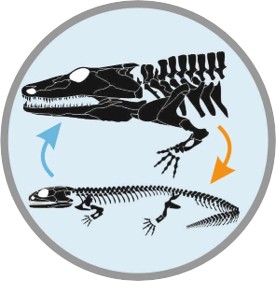
Project C seeks to develop a scenario of life history evolution in early tetrapods(of temnospondyls, first funding period) and integrates bone histology, morphology and paleobiological evidence on life style, locomotion and diet, all provided by the other projects. Divided in three work packages, (a), (b), (c), the project
Our working group studies the large variability in life history strategies (i.e., the specific association of life history traits such as the clutch/litter size, age at sexual maturation or length of life seen in a species) in modern and extinct vertebrate species. We explore clade- and lifestyle-specific effects on life history strategies in extant vertebrates as well as their environmental drivers and apply our findings to extinct vertebrates. In project C, we will recognize life history traits in temnospondyls, their life history strategies as well as their life styles, dietary mode and mode of locomotion.
As the water-to-land transition in early tetrapods most probably went along with a change in lifestyle from an aquatic over a semiaquatic to terrestrial life style, we will use (aquatic) bony fishes, (aquatic, semiaquatic, terrestrial) lissamphibians,and terrestrial non-avian reptiles as modern models on temnospondyls. To achieve our aim, we have four work packages (WP). For WP1, we will compile information on species’ life history traits, life styles and modes of feeding and locomotion for each of these three vertebrate clades. With this information, we will establish differences in relations among life history traits and in strategies between clades, species of different lifestyle, and of different modes of locomotion and diet (WP2).
Life history traits of temnospondyl specimens will be inferred from modelling histological growth series and by applying relations between traits established for the three modern clades (WP3). Finally, as a first step towards a general understanding of the transition from an aquatic to a terrestrial life in early tetrapods, we will model the evolution of each life history trait as well as life style and modes of locomotion and diet for modern lissamphibians and compare ancestral life history trait values,life styles and modes of locomotion and feeding reconstructed to that inferred from life history strategies of temnospondyls (WP4).
Growth models on temnospondyl specimens will be established in cooperation with project B and lifestyles and modes of locomotion and diet inferred will be reviewed by projects A, D, E, and F.
(a)
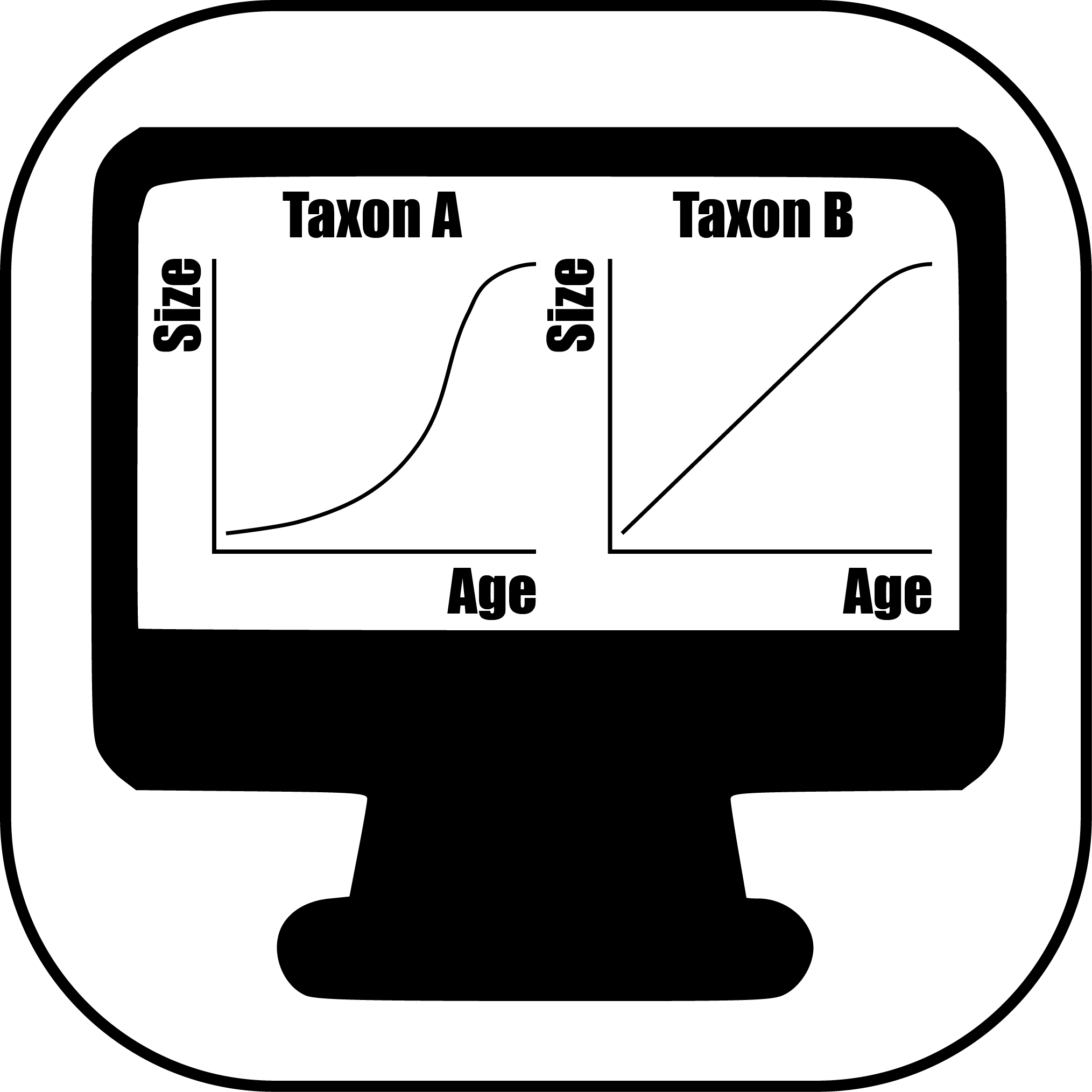
Establishment of a database on traits and features of EPB taxa
(b)
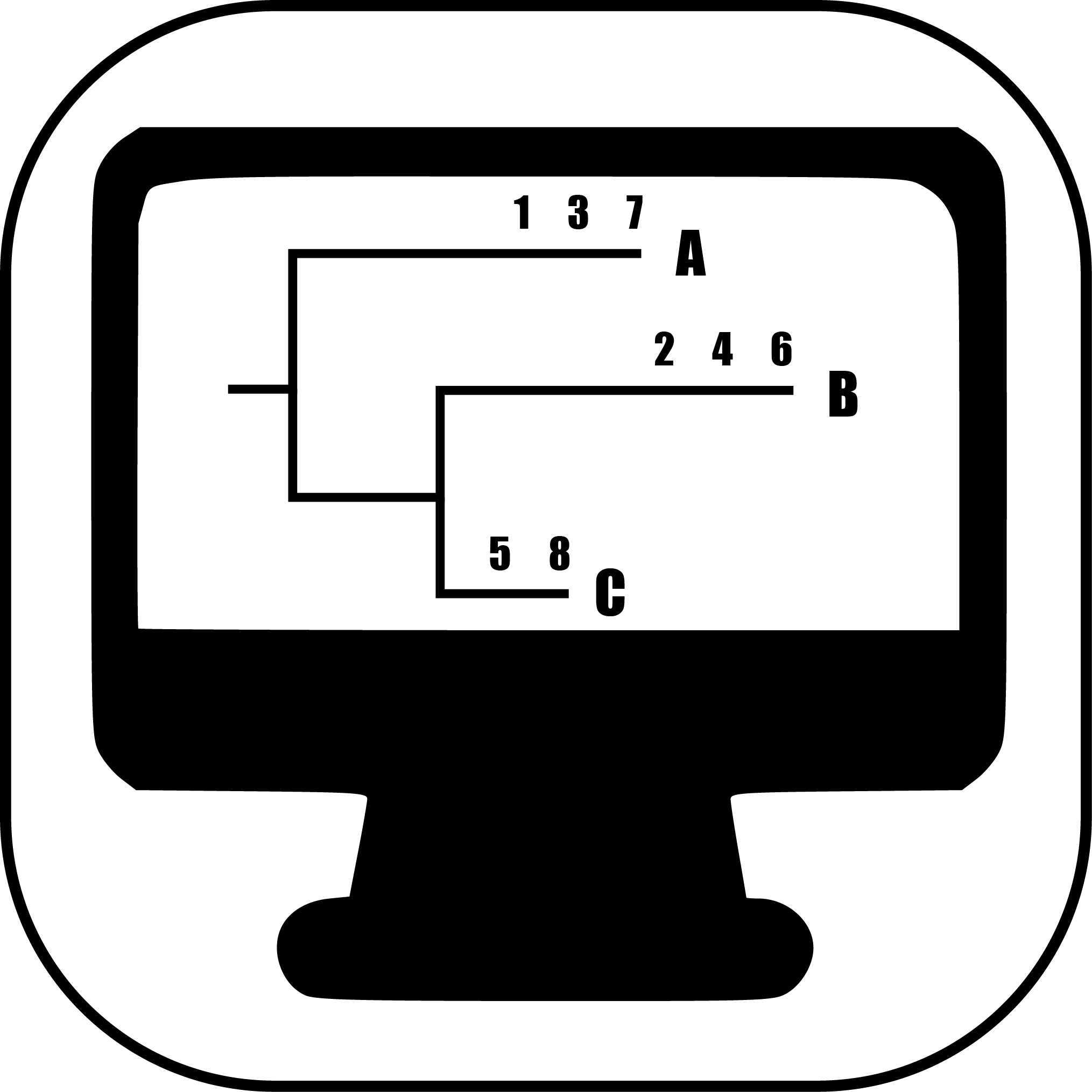
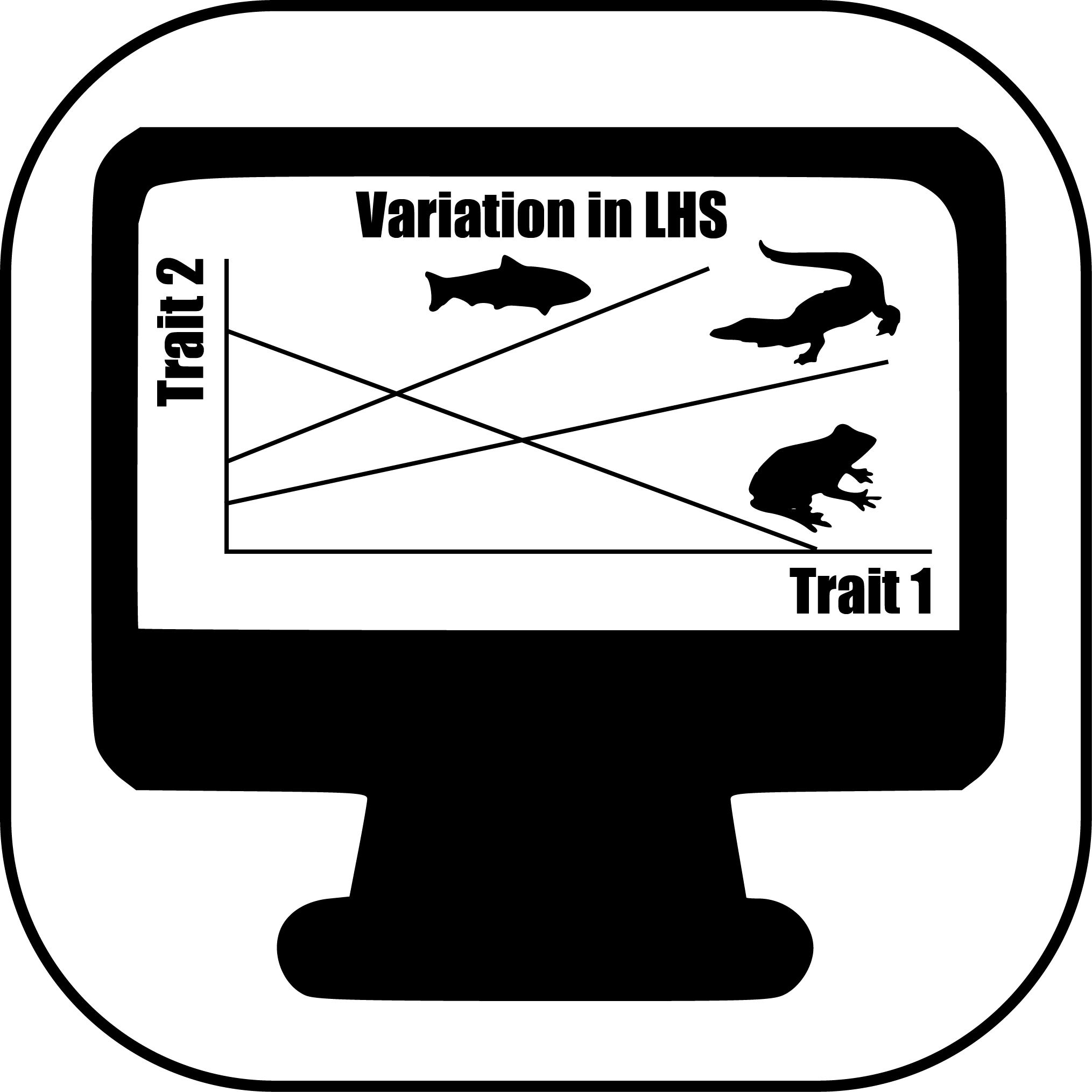
Variation in life history traits and strategies of EPB taxa.
(C)
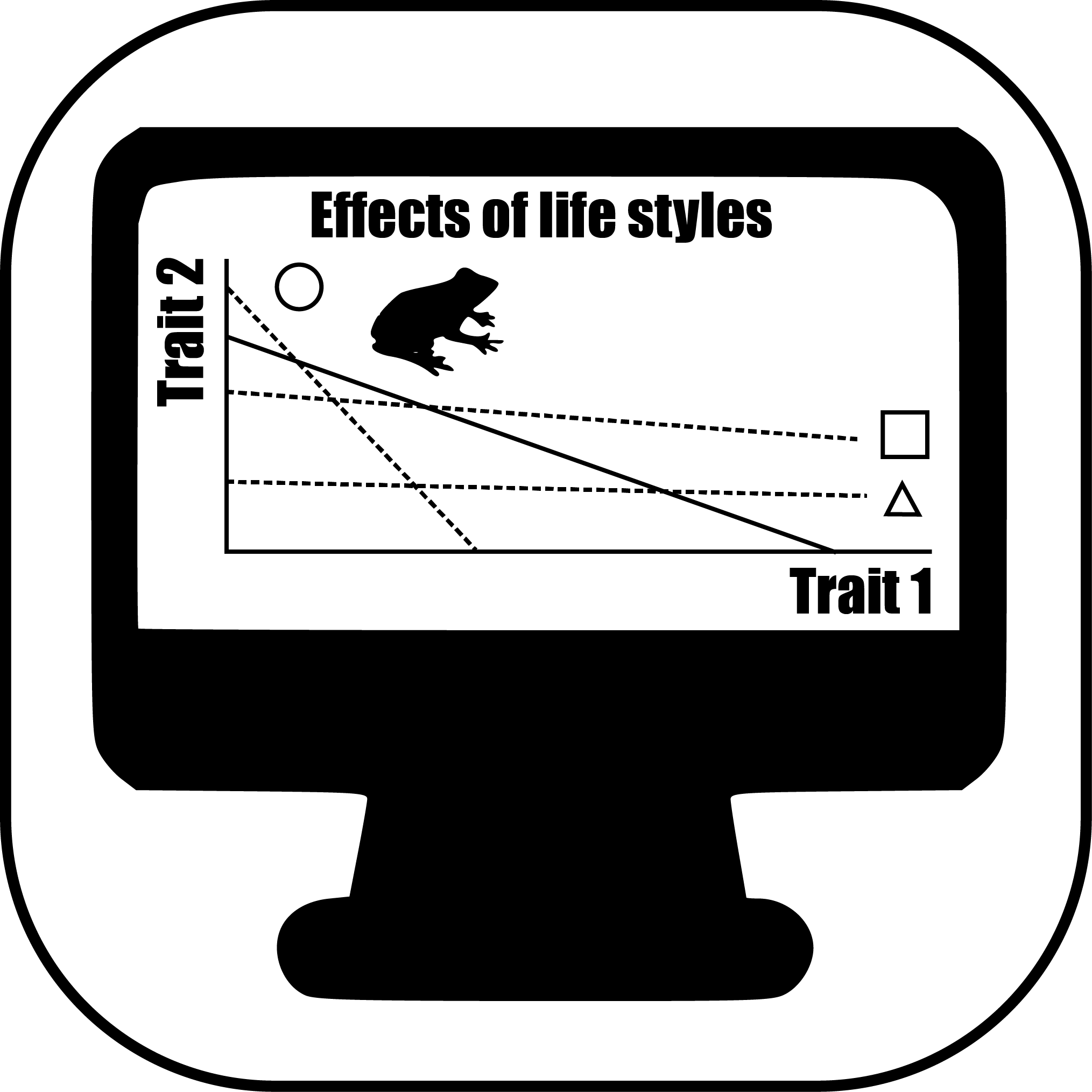
Establishment of life
history traits and strategies of temnospondyls.
Eva-Maria Griebeler (Project C)
Nicole Klein(PI, Project B)
Marco Hügel: WP1, WP2 (modern bonyfish and non-avian reptiles), WP4
Benjamin Cejp: WP2 (modern lissamphibians)
All othe Project PIs