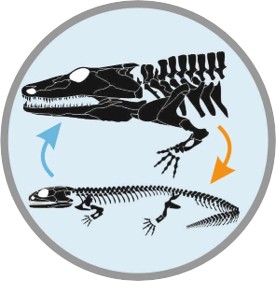
The origin and early evolution of land vertebrates involved a variety of divergent strategies to cope with life at the interface between water and land. A central question in understanding this transition concerns the nature of ancient tetrapod life cycles and how the diverse developmental patterns (ontogenies) seen in modern tetrapods evolved.
Among fossil groups, temnospondyls provide the best opportunity to study these ancient life histories, as they possess a well-documented fossil record that includes numerous growth series and examples of different developmental trajectories. Their life cycles exhibit a remarkable range—from fully aquatic to amphibious and terrestrial forms—and encompass both short-term and gradual developmental changes, as well as cases of neoteny.
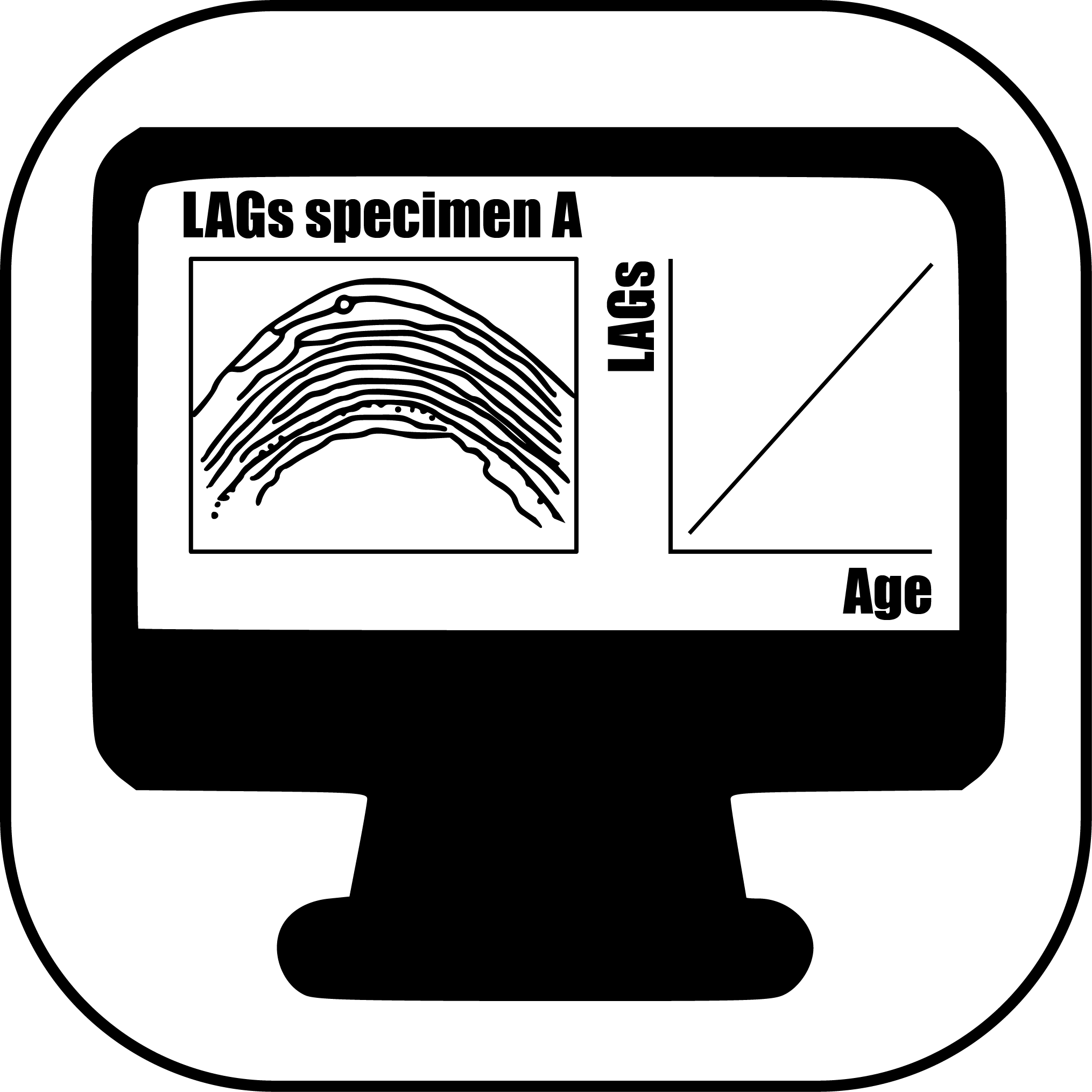
Project B studies the growth record to identify the life history traits (LHT) in different temnospondyl groups. LHT are hatching size, time span of larval stage, age and size at metamorphosis or change in habitat and feeding (if present), onset of sexual maturity, age and size at max. body length, age and size at death, and max. life span.
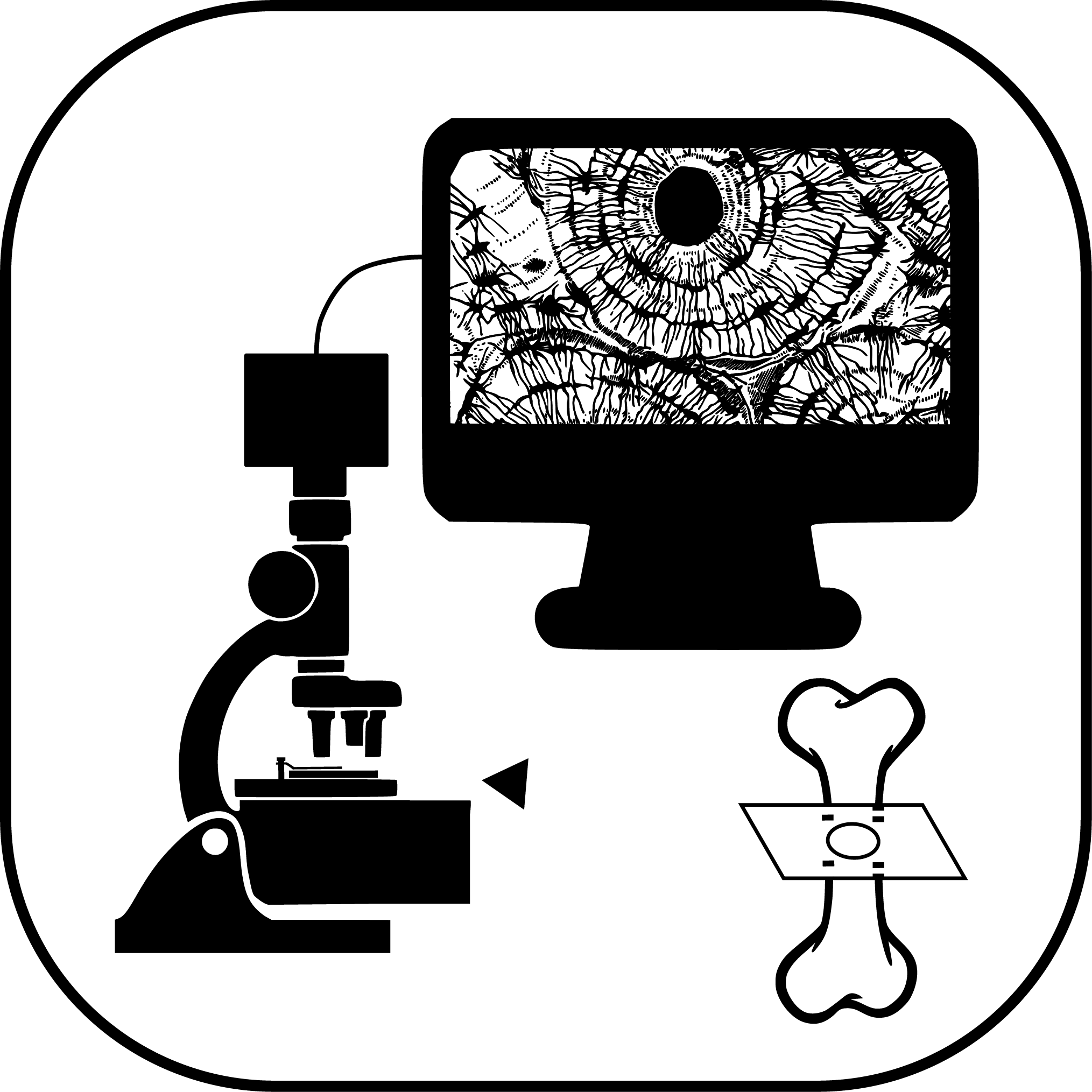
Skeletochronology and bone tissue type analysis, and microanatomy.
Hystological and morphological data on ontogeny of the same taxa.
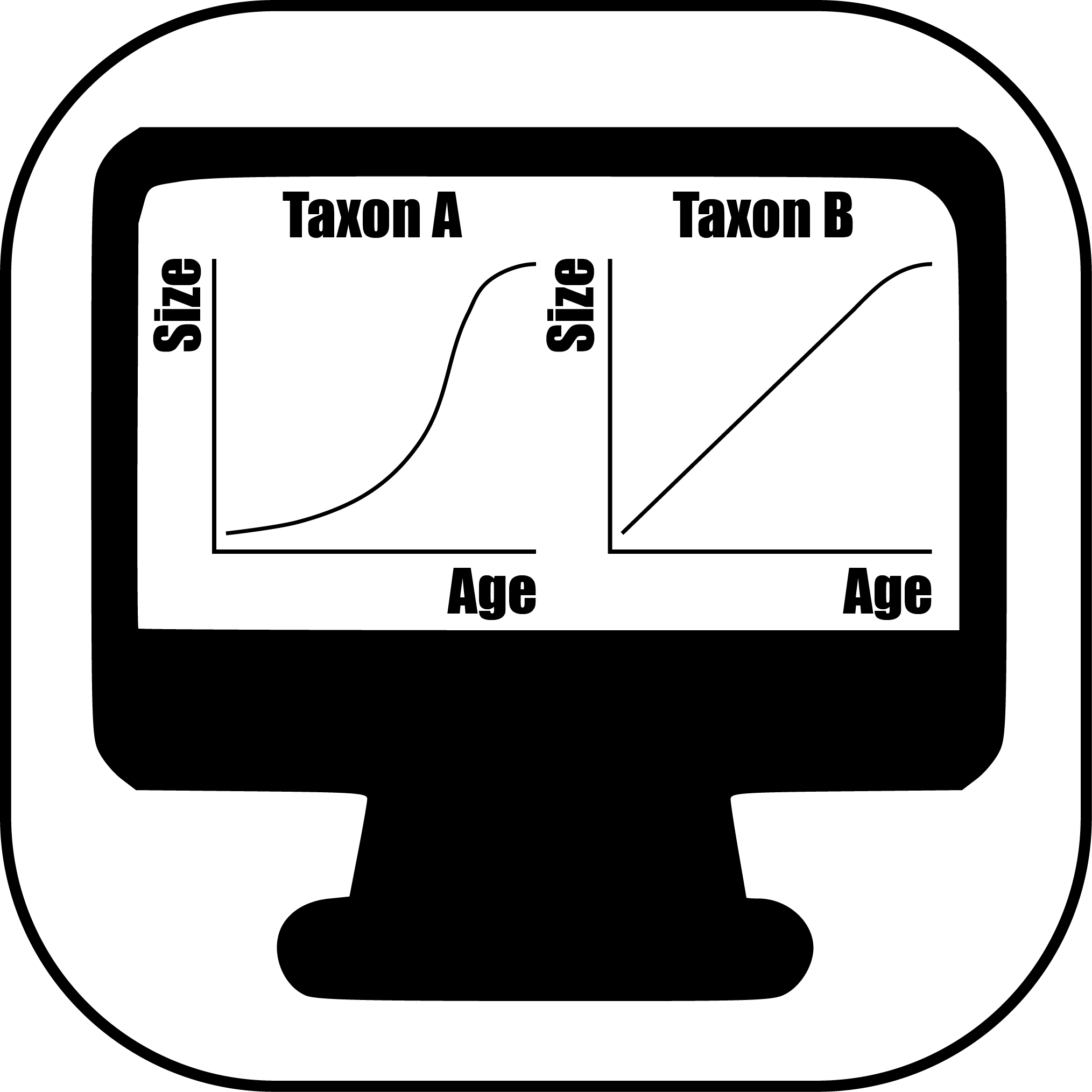
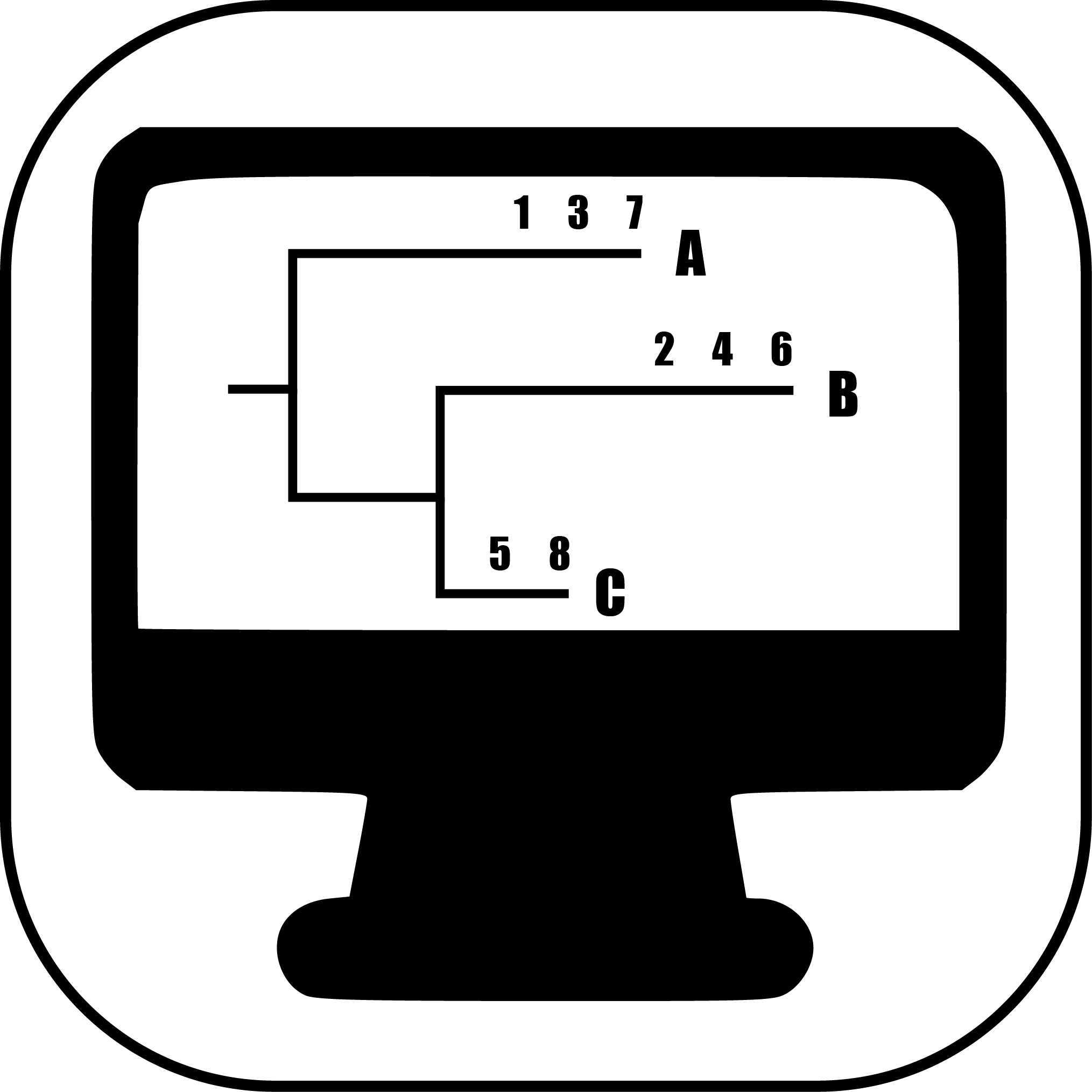
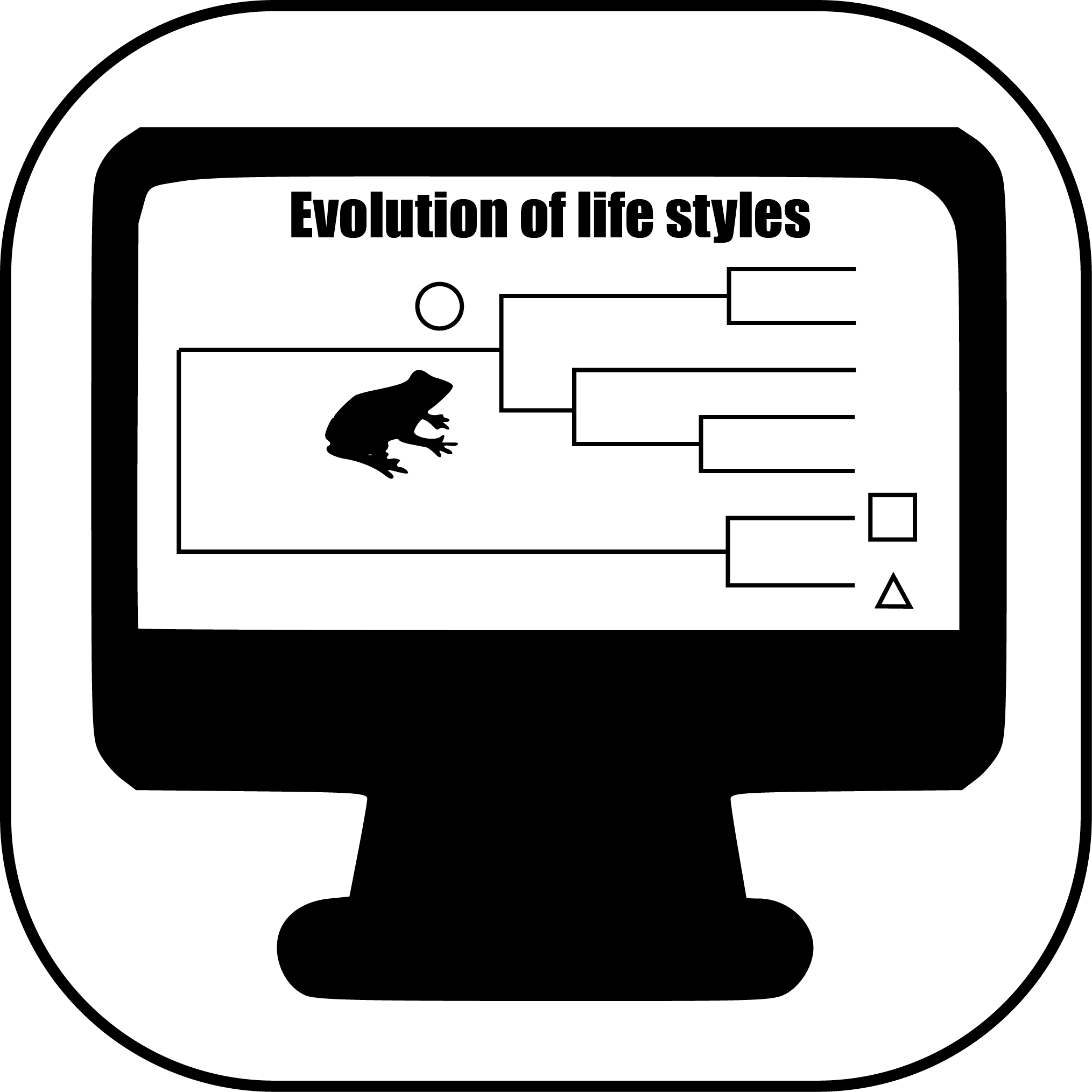
Identifying ontogenies and mapping these onto a phylogeny of temnospondyls.
Providing LHT at a given size/mass for statistical growth modeling for Project C.

Nicole Klein (PI)
Rainer R. Schoch (Coordinator, Project A)
Dorota Konietzko-Meier (Project A)
Eva-Maria Griebeler (Project C)
Eli Amson (Project D)
Dr. Ralf Werneburg (NHMS, Schleusingen)
Dr. Hans-Dieter Sues (USNM, Washington)